
Devon Schwarz · 13 September 2026
Tracking Echoes of Change: Acoustic Studies Reveal Wildlife Responses in Silvora's Restored Woodlands
Researchers have deployed networks of acoustic sensors across Silvora's restored woodlands to capture shifts in animal vocalizations over time, and these devices record everything from bird songs to bat echolocation pulses along with insect stridulations that together form a detailed soundscape of ecological recovery. Data collected through September 2026 shows measurable increases in species richness at several monitored sites where reforestation efforts began more than a decade earlier.
Acoustic Monitoring Techniques in Practice
Teams place autonomous recording units at fixed intervals throughout the woodland patches, and each unit operates on solar power while storing continuous audio files that later undergo analysis through specialized software capable of identifying calls by frequency patterns and temporal structure. Observers note that this approach allows coverage of large areas without constant human presence, which reduces disturbance to sensitive species during breeding seasons.
Calibration of the sensors occurs seasonally to account for changes in vegetation density that can alter sound propagation, and calibration records indicate consistent performance across multiple hardware generations. Processing pipelines then filter out wind and rain noise before feeding cleaned datasets into machine learning models trained on regional species libraries.
Observed Shifts in Wildlife Vocal Activity
Analysis of recordings from the past three years reveals that several forest-dependent bird species have expanded their calling ranges into previously silent zones, while certain generalist species maintain steady activity levels. Bat passes per night have risen by documented percentages at restored edges compared with control plots that remain under agricultural use, according to figures released by the European Environment Agency.
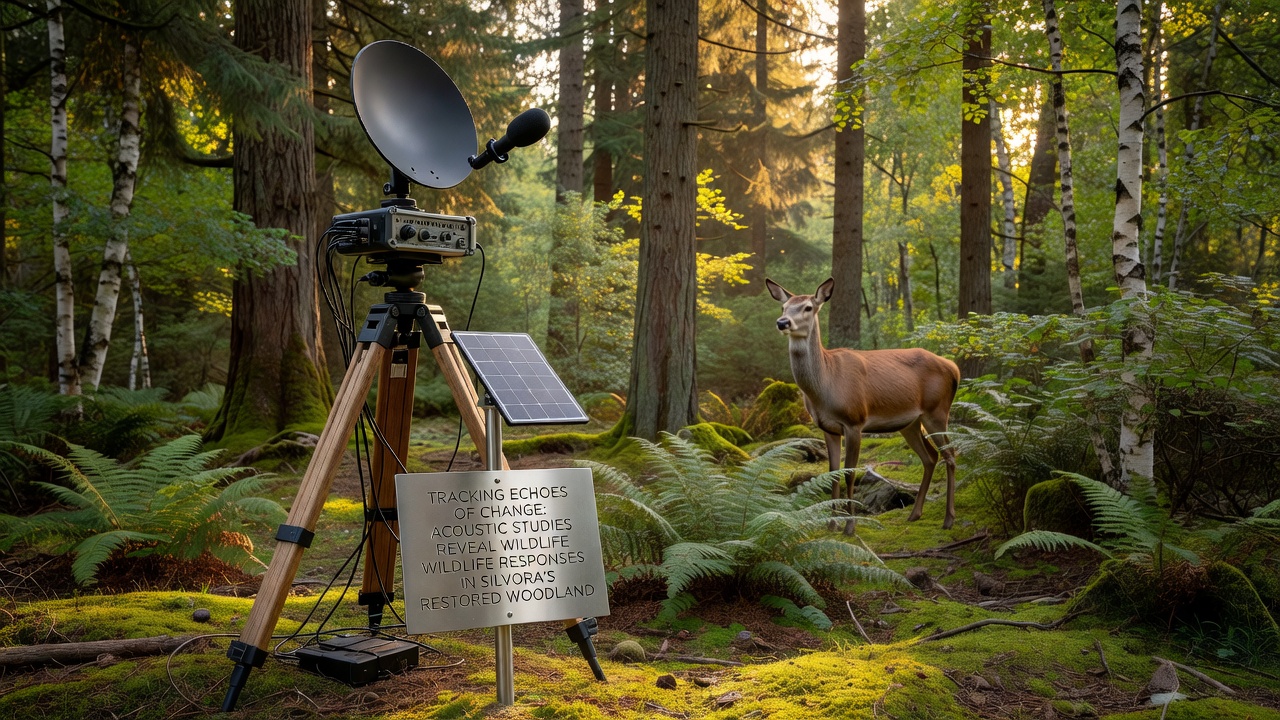
Insect sound diversity, measured through the number of distinct frequency bands active during dusk choruses, has also climbed steadily since 2023. Researchers attribute part of this trend to the return of understory plants that provide both food and calling perches, and the same datasets show that amphibian breeding calls appear earlier each spring at sites with higher canopy closure.
Integration with Broader Ecological Data
Acoustic results align closely with camera-trap images and vegetation surveys conducted at the same locations, and cross-referencing these sources strengthens confidence in the sound-based indicators. For example, an increase in woodpecker drumming detected acoustically corresponds with higher counts of nesting cavities observed during field visits.
One study coordinated with the University of Melbourne linked acoustic indices directly to biomass accumulation rates derived from LiDAR scans, and the combined metrics suggest that soundscape complexity tracks structural recovery more rapidly than species inventories alone would indicate. Such correlations help land managers prioritize areas for supplemental planting or invasive species control.
Future Monitoring Directions
Plans for 2027 include expanding the sensor grid to include riparian zones along streams that border the restored woodlands, and additional units will capture underwater sounds from fish and aquatic invertebrates to create a more complete picture of habitat connectivity. Real-time data transmission from a subset of recorders is also under development so that anomalies, such as sudden drops in calling activity, can trigger rapid field inspections.
Conclusion
Acoustic studies continue to supply objective evidence of how wildlife communities respond to woodland restoration in the Silvora region, and the growing archive of recordings provides a baseline against which future changes can be measured. Continued investment in sensor networks and analytical tools supports ongoing assessment of restoration outcomes across multiple trophic levels.